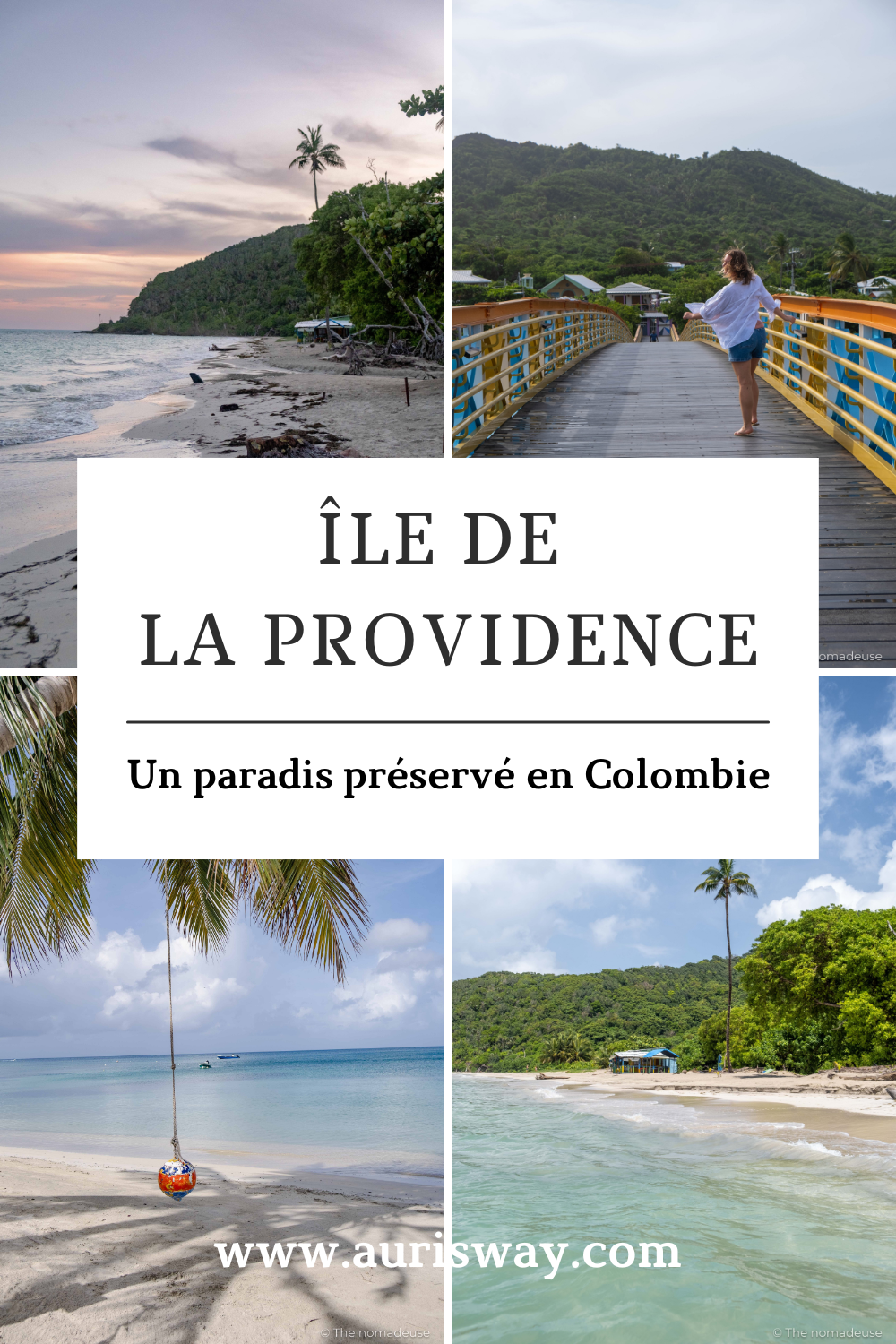

7 amazing things to do in Providencia Island, Colombia
Discover all my tips to help you plan your trip to Providencia Island. How do you get there? What should you do once you arrive? In this blog post, I’ll do my best to answer all your questions about this little hidden gem of Colombia.
The journey to Providencia Island begins long before your feet ever touch its sand. With our noses pressed against the window of the small propeller plane, we watch from above as shades of blue and turquoise stretch endlessly beneath us. We’re already grinning from ear to ear. “Look at those colours!” No doubt about it — we’ve made it to the Caribbean.
While planning my trip to Colombia, I naturally turned to my friend Mónica, who’s Colombian, for advice on the best diving spots. “The Rosario Islands or Providencia Island. Providencia is stunning and much less crowded, but it’s quite remote and not easy to reach,” she told me. A paradise island with great dive sites and no crowds? That was all I needed to add it to my itinerary!
Located off the coast of Nicaragua, about 700 km from mainland Colombia, Providencia Island is still something of a well-kept secret — known mostly among diving circles. To get there, you must first pass through its sister island, San Andrés, which lies a 1.5-hour flight from Cartagena. In other words, visiting Providencia takes time. But that’s exactly what keeps mass tourism at bay and helps preserve its authenticity. And let’s hope it stays that way for a long time to come.
Needless to say, it was love at first sight. On this timeless island, life moves to the rhythm of the waves and the sun. Soft white-sand beaches, spectacular coral reefs, and a rich blend of Creole and Colombian culture — Providencia is the perfect place to completely unplug.
In this article, I’ll share all my practical tips for planning your trip to Providencia Island: how to get there, where to stay, where to eat, and of course, the must-do experiences to make the most of this little slice of paradise in the heart of the Caribbean.
Last update: February 12, 2025
My favourites ❤️
Activity – Diving, with truly exceptional visibility
Hotel – Hotel Yellow Home Providence Island
Restaurant – Dinner with your feet in the sand at Divino Niño
Get more tips and recommendations below 👇🏻
Chapter - Prepare your trip to Providencia Island in Colombia
EVERYTHING YOU NEED TO KNOW BEFORE VISITING PROVIDENCIA ISLAND IN COLOMBIA
A tiny island with a turbulent past
Behind its postcard-perfect looks, Colombia’s Providencia Island hides a rather epic history.
Once occupied in turn by English Puritan settlers, the Spanish, and pirates (including the infamous Henry Morgan), it long served as a strategic outpost in the Caribbean. Legend even has it that Captain Morgan buried a treasure here… one that’s never been found (so keep your eyes open 👀).
Out of this mix of colonial, African and Caribbean influences was born a unique culture that the island’s inhabitants — the Raizales — fiercely protect. Here, people speak both Creole and Spanish, dance to the rhythm of reggae, and proudly embrace their island identity — sometimes so much so that even mainland Colombians are seen as outsiders.
Iota Hurricane: Can you still visit Providencia Island?
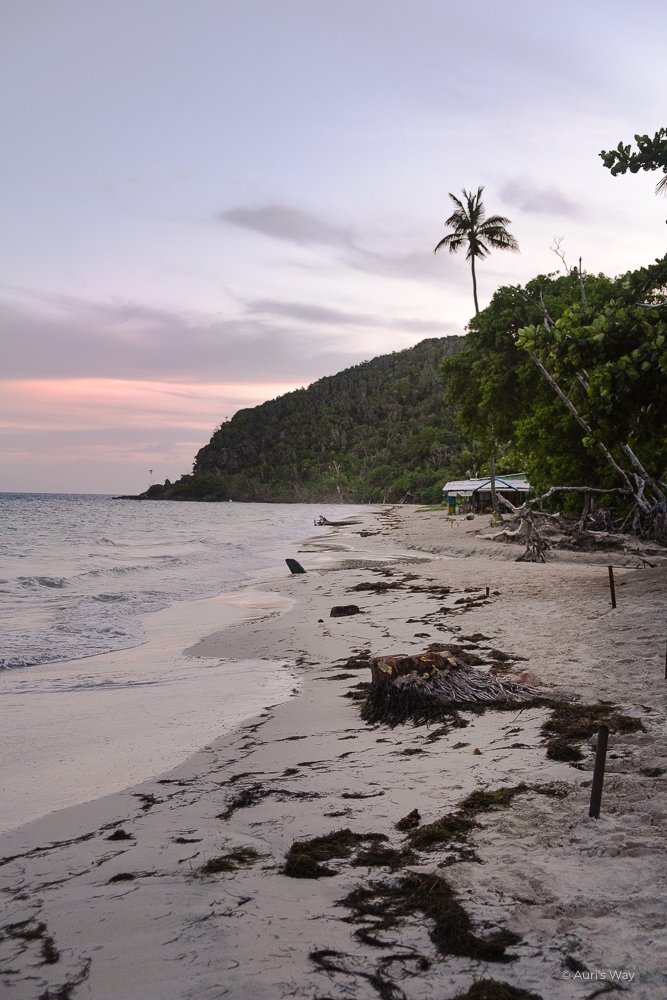
During the night of 14–15 November 2020, Hurricane Iota hit Providencia head-on, destroying nearly 98% of its infrastructure. Fortunately, the pandemic had kept tourists away at the time, preventing what could have been a far greater tragedy.
In response to the crisis, the government promised a rapid reconstruction using hurricane-resistant prefabricated houses. However, delays and a lack of consultation with the Raizal communities sparked widespread criticism. Even so, the island showed remarkable resilience, and most residents chose to move forward.
When we visited in August 2024, Providencia was absolutely visitable. While traces of the storm remain, nature is slowly reclaiming its place. The beaches may have lost a few palm trees and some reefs have suffered, but the island hasn’t lost its charm — and there’s still plenty to delight both divers and those simply looking to unwind.
When is the best time to visit Providencia Island in Colombia?
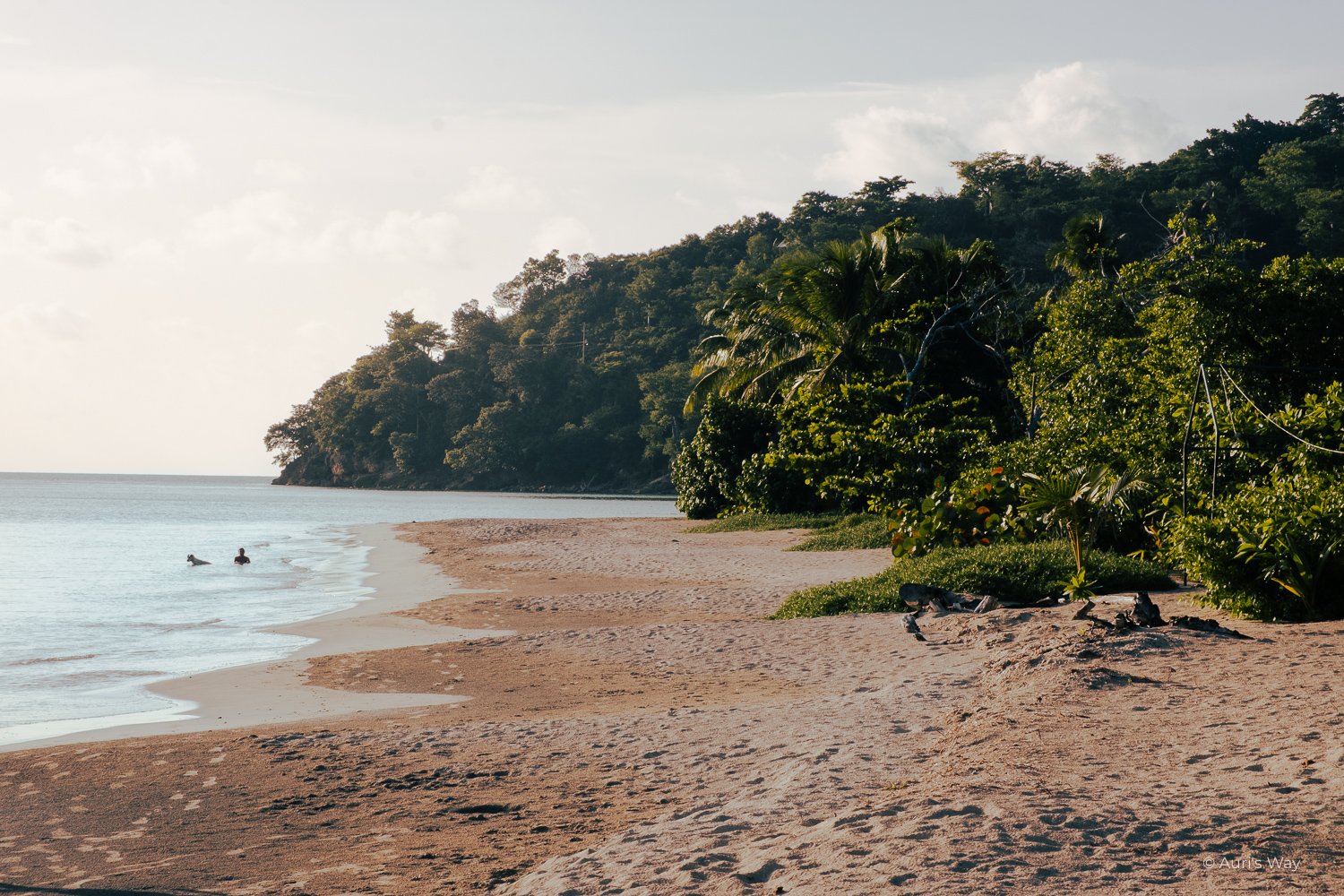
With steady temperatures of between 25°C and 30°C all year round, there’s really no bad time to visit Providencia. The climate is generally warm and sunny, although September to December marks the rainy season. That said, showers tend to be intense but short-lived.
If you want to avoid the crowds and higher prices, it’s best to skip the high season, which runs from mid-December to mid-January, at Easter, and from mid-June to early August.
We visited Providencia in early August. While prices were indeed a little higher, it certainly wasn’t crowded. As for the weather, the storms usually rolled in at night, leaving us with mostly sunny days. So it’s still a perfectly pleasant time to explore the island.
If you’re looking to experience something special, the island’s Carnival in June is a wonderful opportunity to discover its dances and local traditions. And for something truly unique, the black crab migration between April and May quite literally transforms the island — roads even close to let the crabs cross safely. It’s a fascinating natural spectacle that, according to legend, once terrified a few pirates…
How to get to Providencia Island?
There are no direct flights from the mainland to Providencia Island. To get there, you’ll first need to go through its bigger sister island, San Andrés. More touristy, San Andrés is well connected to most major Colombian cities with regular flights.
Once in San Andrés, you have two options to reach Providencia:
By plane: Fast and convenient, Satena is the only airline operating the route to Providencia — a short 20-minute flight on a small propeller plane. Tickets usually range between 200,000 and 300,000 COP (€45–60), depending on the fare type and booking date. For reference, we paid 530,000 COP per person (around €125). Planes are small, so seats are limited — I strongly recommend booking in advance!
Be aware that luggage allowance is restricted to 15 kg for checked baggage and 5 kg for hand luggage. We had no issues during our trip, but the airline can apparently be quite strict.
By boat: A cheaper alternative (230,000 COP one way or 450,000 COP return), with departures from San Andrés on Mondays, Tuesdays, Wednesdays and Fridays at 8 a.m. However, according to both locals and travellers, the crossing can be extremely rough due to often-choppy seas. If you’re prone to seasickness, it’s best avoided! The return trip from Providencia to San Andrés departs on Mondays, Wednesdays and Fridays at 2:45 p.m.

How many days should you plan in Providencia Island?
As we’ve seen, getting to Providencia takes time. Depending on flight schedules, you may even need to spend a night in San Andrés before continuing your journey.
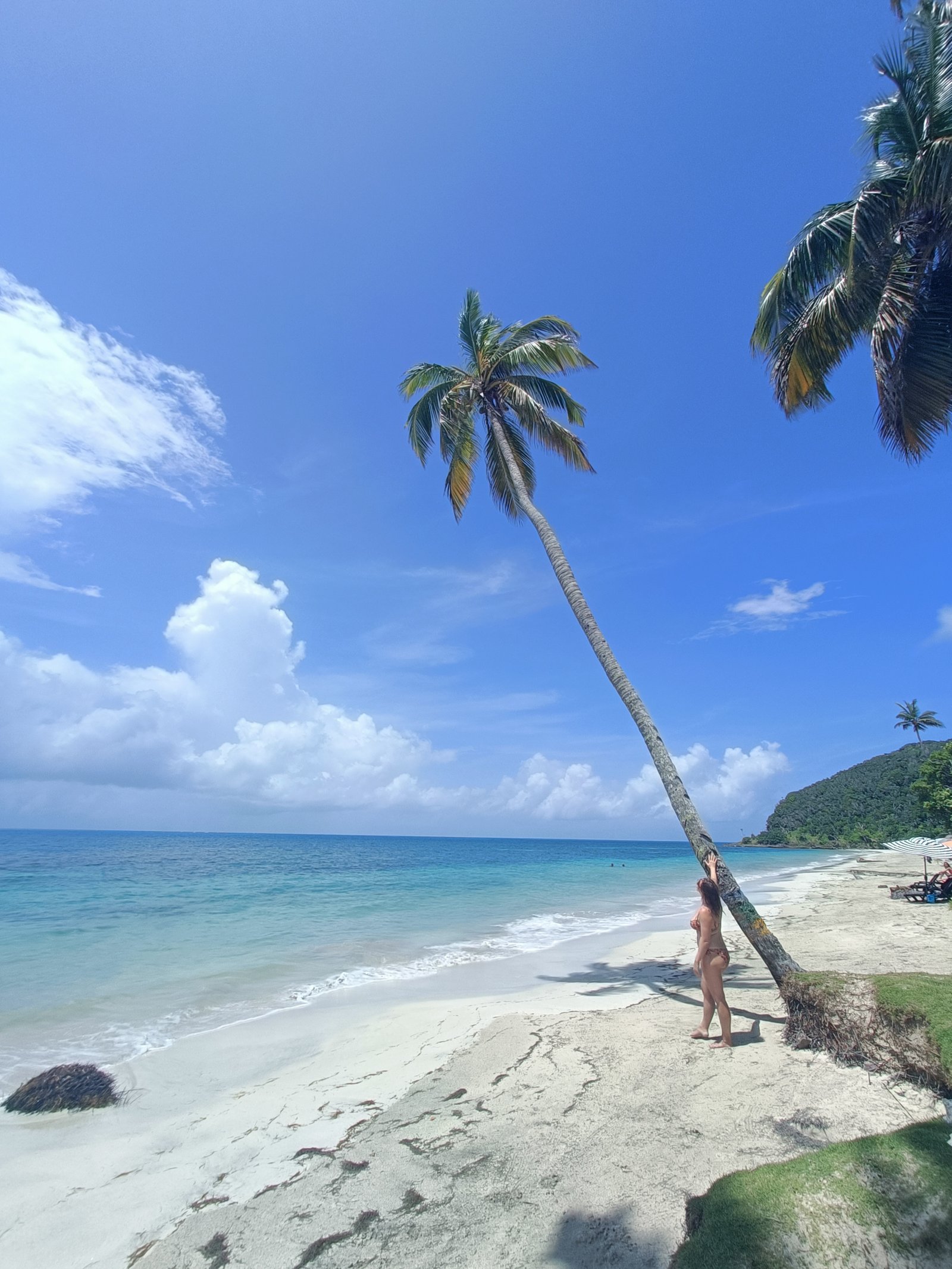
So, to really make the most of the island without feeling rushed, I recommend staying for at least three days. We spent five days there and could easily have stayed longer. If you prefer to take things slow, a full week is just perfect.
Even if scuba diving isn’t your thing, Providencia has plenty to keep you busy — from beaches and hikes to snorkelling. And if you’ve done it all… you can always take a nap under a coconut tree! 🌴
Entry requirements
The archipelago of San Andrés, Providencia and Santa Catalina applies a mandatory tourist tax for all visitors. Before boarding your flight to San Andrés, you’ll need to purchase a Tarjeta de Turismo (Tourism Card), which is paid directly at your departure airport. At Bogotá Airport, you’ll find a small stand near the boarding gate where you can pay by card. If you’re flying from another airport, don’t hesitate to ask the flight attendants or airport staff for assistance.
In 2024, the fee was 137,000 COP (around €30).
One piece of advice: keep this card safe! You’ll be asked to show it at every checkpoint — both in San Andrés and Providencia — including on your return journey.
You must also be able to show proof of a return ticket.
How to get around Providencia Island
Although the island isn’t very big, there’s no public transport system on Providencia. To explore freely, the best option is to rent a scooter (around 100,000 COP, or €25). If you’re not comfortable riding a motorbike, or if you’re travelling in a group of three or four, you can also opt for a “mula” — a small golf cart — which costs between 200,000 and 300,000 COP (€45–65). In either case, your accommodation can usually arrange the booking, so your vehicle will be waiting for you as soon as you arrive!
Driving on the island is easy: there’s only one main road that loops around Providencia, so it’s almost impossible to get lost. We’d been warned that the roads were in poor condition after the hurricane, but apart from a few impressive potholes and one collapsed stretch along the side, we found nothing to worry about. Drive carefully and keep your eyes on the road, and you’ll be just fine!
WHAT TO DO ON PROVIDENCIA ISLAND
6 UNMISSABLE EXPERIENCES
Dive with sharks
We first discovered scuba diving a few years ago in Réunion Island, and since then it’s become one of our shared passions. The main reason we chose Providencia was its reputation: the island is considered one of the best diving spots in Colombia.
The archipelago, part of the Seaflower Biosphere Reserve, is home to the third-largest coral reef in the world. No wonder diving is at the heart of the local economy. On our last morning there, grounded to respect the no-fly time before our flight, we realised just how peaceful the island was — everyone else was underwater!
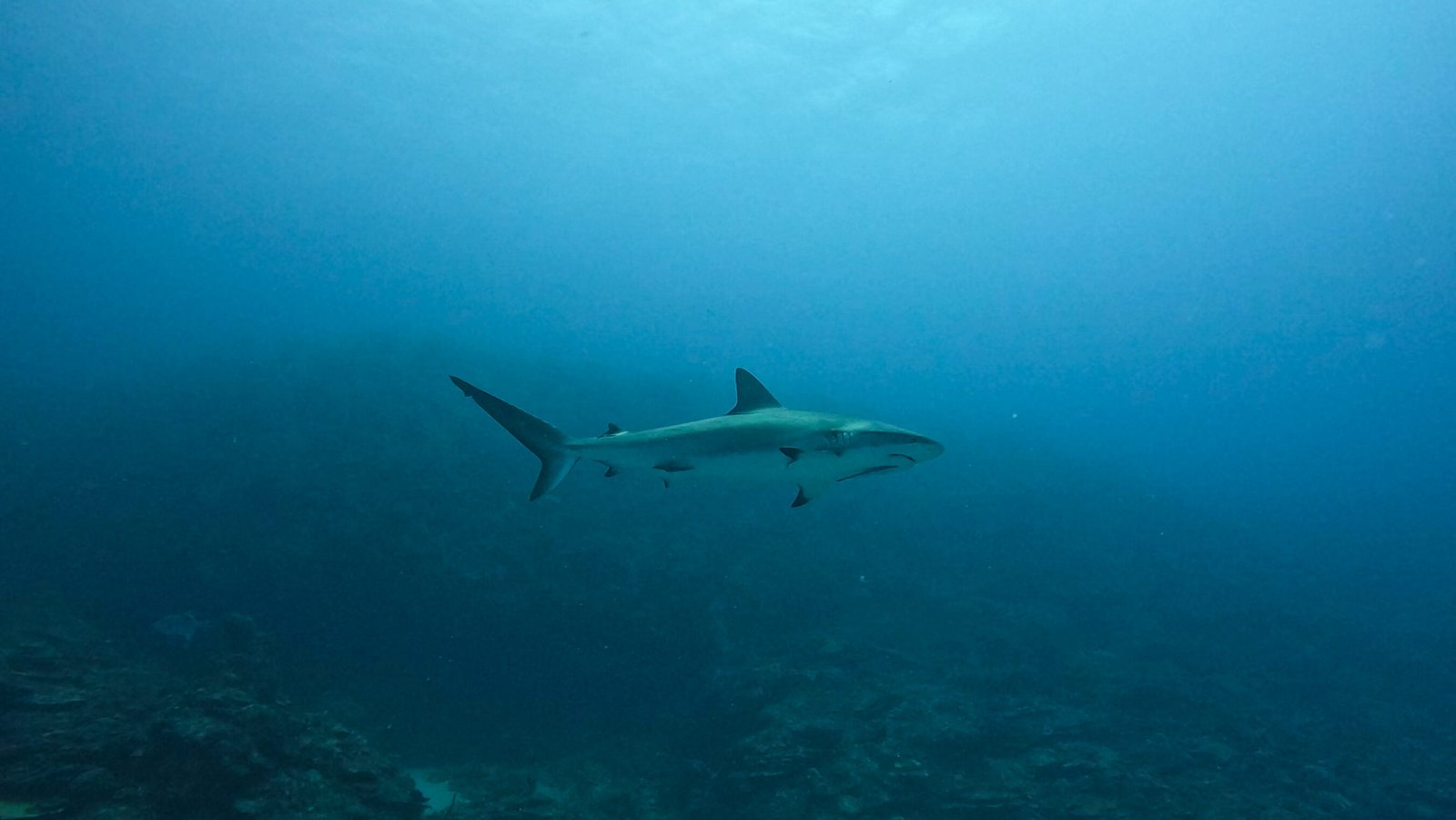
Dive centres coordinate to spread out across the sites, and it works perfectly: we never crossed paths with another group during our dives. Below the surface, calm sets in. The visibility is incredible (over 30 metres), the water is warm — no wetsuit needed. Moments after descending, a reef shark glides past us. In Providencia, that’s almost standard — and don’t worry, they’re completely harmless. We even heard rumours of a hammerhead spotted nearby… though I’m not sure I’d want to confirm that myself 😅
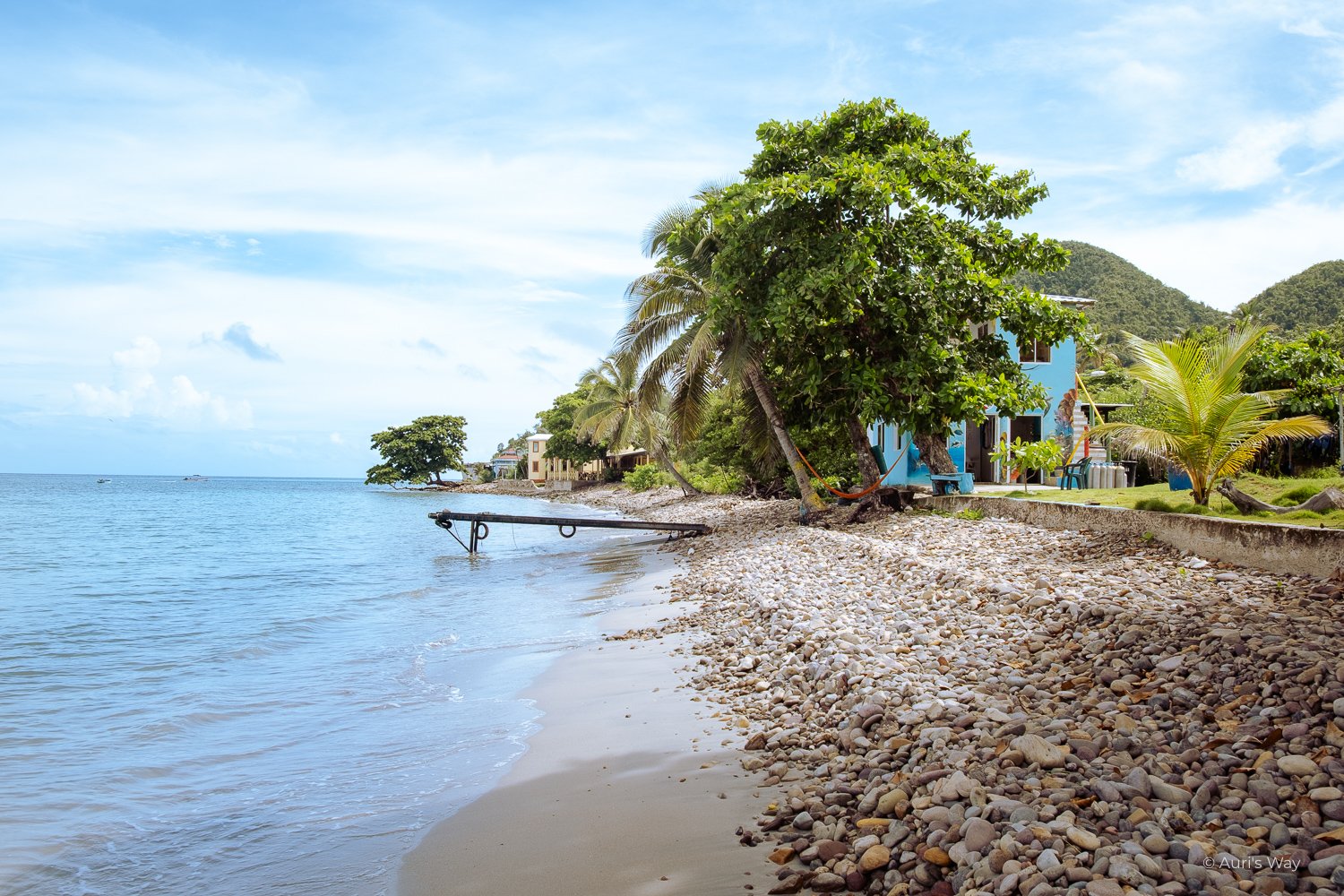
After the hurricane, I was worried the underwater world might have suffered. Fortunately for us, many dive sites remained intact, and the others are slowly coming back to life.
Each dive spot has its own charm — sharks, canyons, coral walls… Our absolute favourite was Pepe’s Place, with its explosion of vibrant corals, abundant marine life, and schools of yellow snappers. In total, we did six dives over three days, spotting rays, barracudas, moray eels, lobsters and, of course, a whole kaleidoscope of colourful fish.
We tried two local dive centres. The second one, Felipe Diving Center, offered particularly good prices — but sadly, I can’t recommend it in good conscience. Run by a larger-than-life character who seemed straight out of a pirate film, it promotes questionable practices such as shark feeding. That said, the team was lovely and the atmosphere fantastic!
In terms of budget, Providencia is one of the most affordable diving destinations I’ve ever visited. On average, regardless of the dive centre, expect to pay around €60 to €75 for two dives. In fact, Providencia strikes me as an ideal place to get your PADI Open Water certification or even try a first dive. With warm waters, mild currents, incredible visibility and pristine reefs, it’s hard to imagine a better setting to start diving!
I don’t know the exact training rates, but judging by the cost of fun dives, learning to dive here must be one of the most affordable ways to earn your PADI.
Diving center: my recommendation
Andi di Wata Dive School : Run by Halbert and Sandra, a Colombian–Swiss couple, this dive centre stands out for its professionalism. A real bonus: they always guarantee small-group dives. The equipment is in perfect condition, and they even provide dive computers if needed. You can trust them completely! After each dive, they treat you to delicious fresh fruit juices, prepared in a small hut just a few steps from the beach.
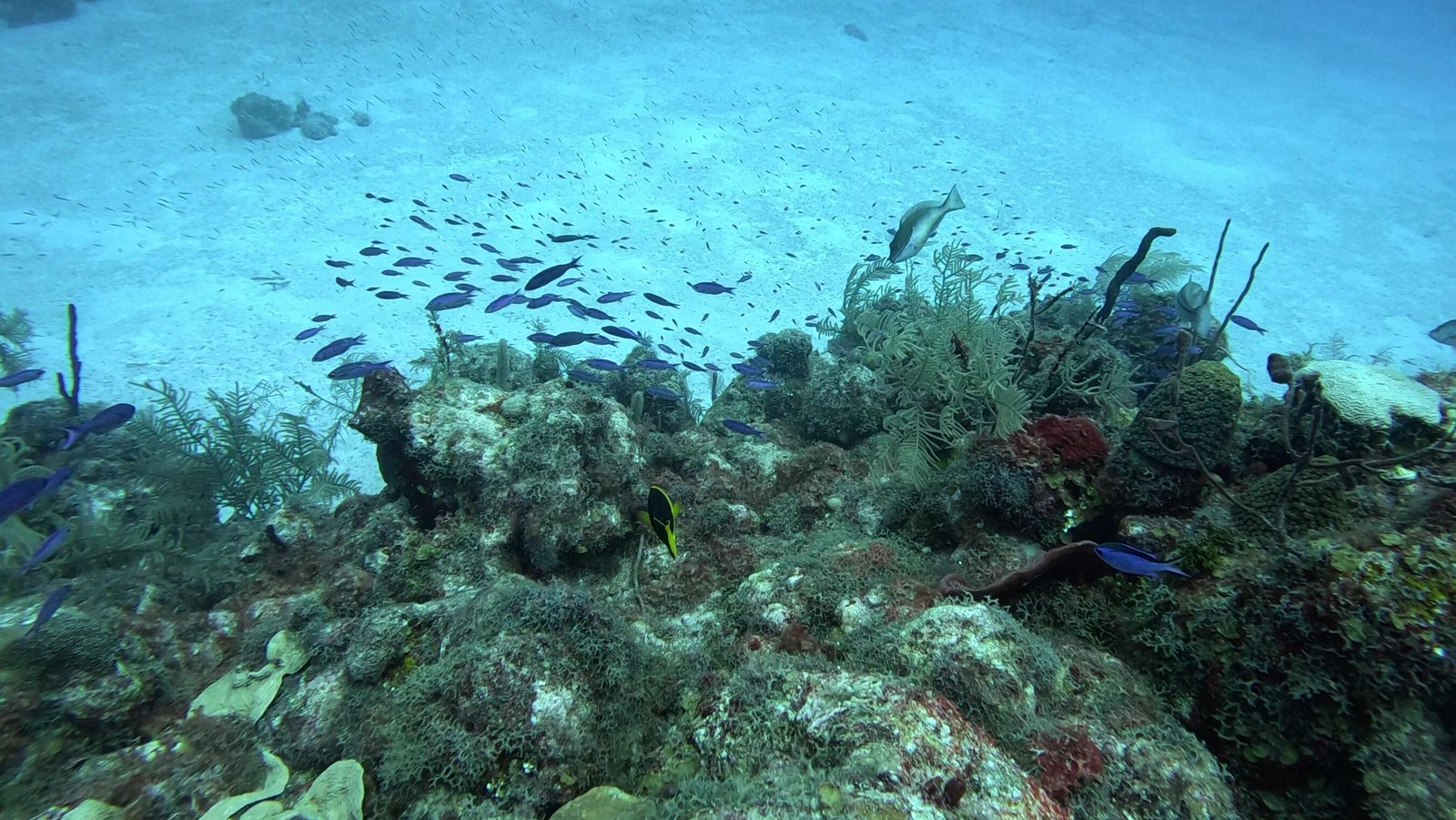

Snorkelling in Cayo Cangrejo
Not into diving?
Snorkelling is also an excellent activity to enjoy on Providencia Island. In fact, it’s a must — it would be a shame to miss out on those stunning underwater landscapes!
Most snorkelling excursions start from Cayo Cangrejo, a tiny islet just five minutes away by boat. Within minutes, you can climb to the top and admire the famous “Sea of Seven Colours” (though we only counted five!). The water is absolutely gorgeous, but the seabed around the islet is quite sandy — so it’s not the most spectacular snorkelling spot, unless you’re lucky enough to come across a turtle, which happens from time to time. We actually preferred a few spots a bit farther out, where we saw a school of squids, a couple of rays and fish of every imaginable colour.
But above all, the colour and clarity of the water are simply breathtaking! It’s like swimming in a pool.


Most excursions can be booked directly through your accommodation. In fact, our host César had recommended a reliable local partner. But in an effort to save a few pesos, we decided to go with a colourful character we met at the dive centre. Spoiler alert: we got scammed like total beginners!
There was a time when you could kayak to Cayo Cangrejo from the Deep Blue Hotel, but that’s no longer possible since the hurricane — so it’s best to go through an organised tour.
If you’d rather go it alone, I read during my research that Santa Catalina Island has an excellent snorkelling spot near Morgan’s Head. We didn’t make it there ourselves, and I can’t seem to find the original source again — so check with your accommodation for the exact location and best access.
We paid 125,000 COP per person (around $33/£25) for our snorkelling trip. Expect to pay around 200,000 COP per person (about $52/£40) for a more “official” tour.
Explore the pretty beaches of Providencia Island
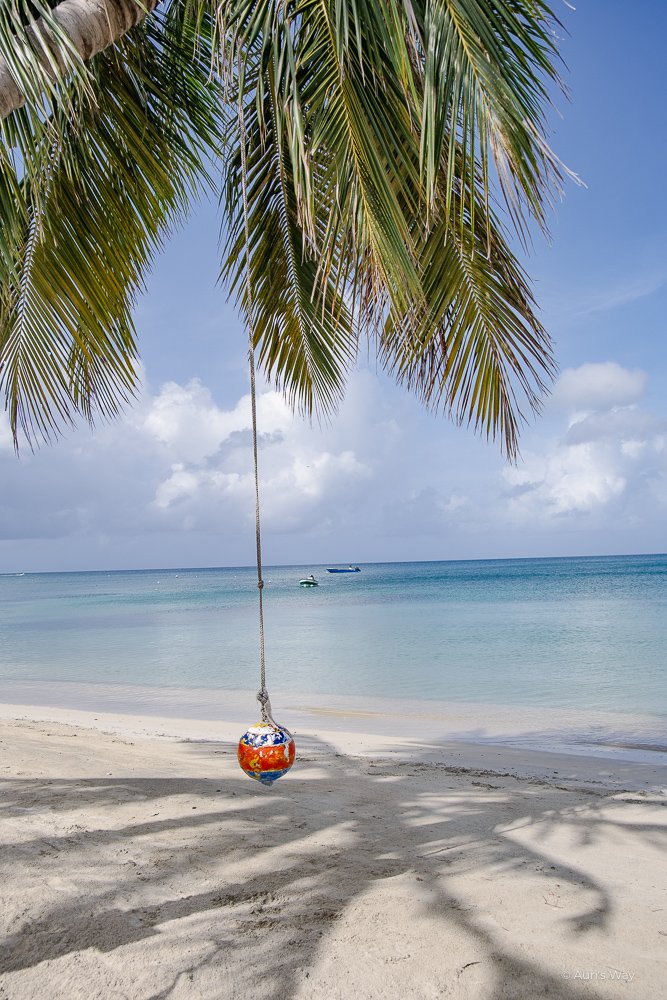
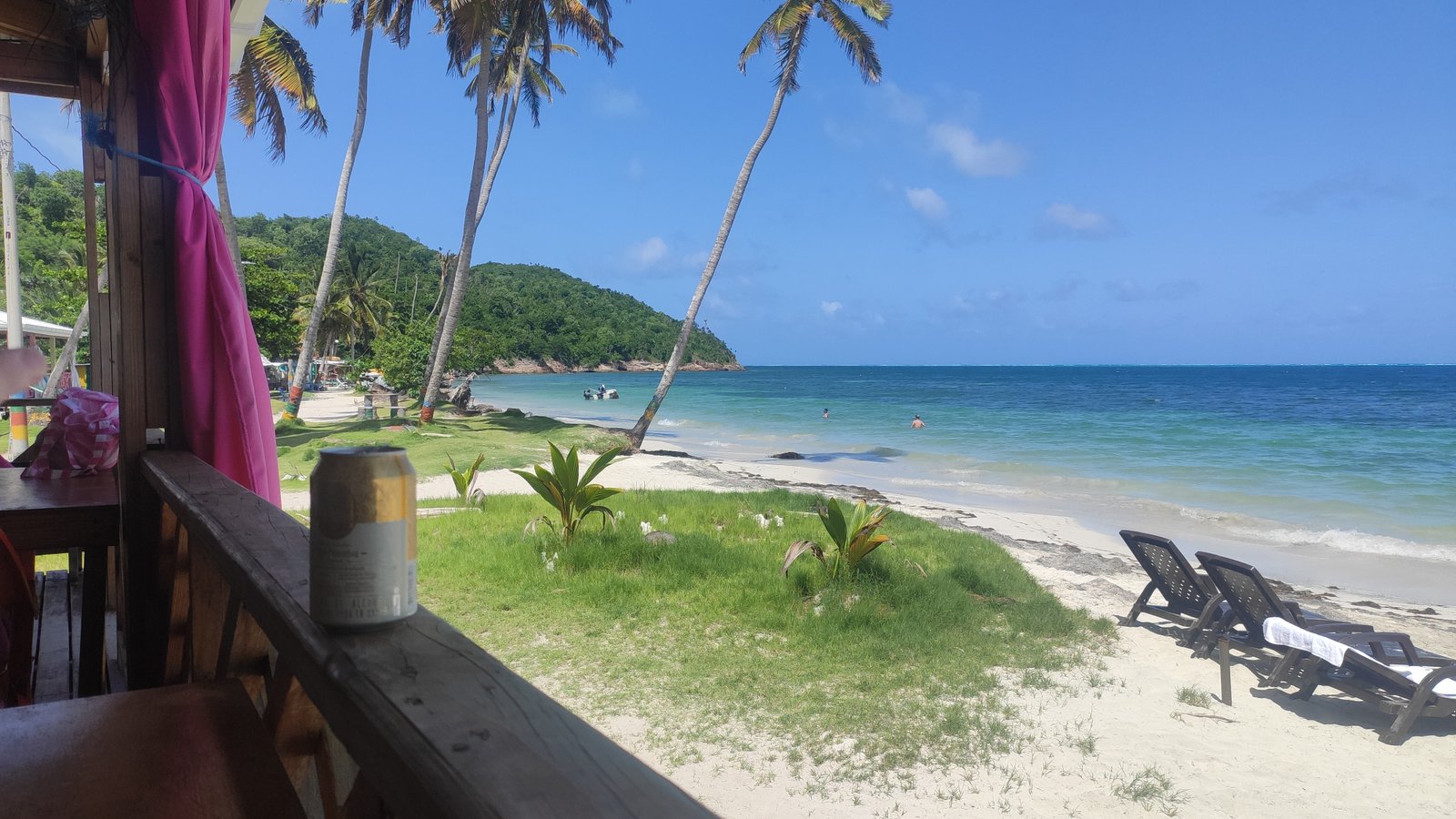
In Providencia, the magic isn’t only found underwater. Part of the island’s charm lies in its stunning white-sand beaches, fringed by lush tropical vegetation. They must have been even more beautiful before the hurricane, which swept away most of the palm trees. Even so, they’ve kept a wild, untouched beauty — easily making it into our Top 10 most beautiful beaches we’ve ever seen.
Here are three of our favourites:
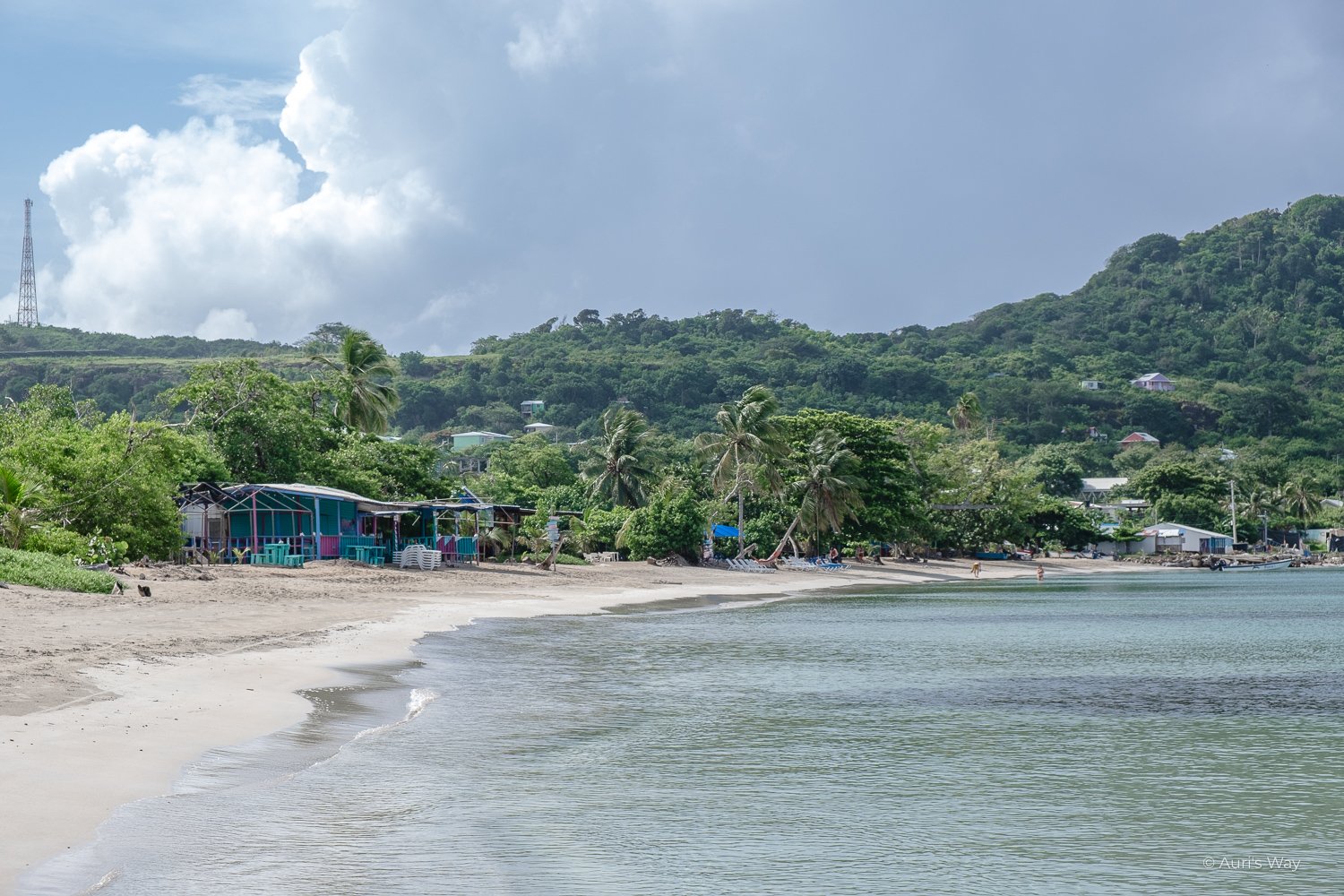
Playa Manzanillo: Our favourite. A vast, virgin beach stretching endlessly, backed by the jungle. The place feels wonderfully peaceful and remote — especially if you walk a little further away from the few rustic beach bars near the entrance.
➕ Perfect for a quiet swim (and you’ll often have it almost to yourself)
➕ The Miss Julia restaurant lets you use its sunbeds for free if you order something — even just a cocktail. Plus, we had one of the best fish dishes of our entire trip there!
➕ This is also where you’ll find the famous Roland’s Bar, an iconic reggae spot (it was closed when we visited).
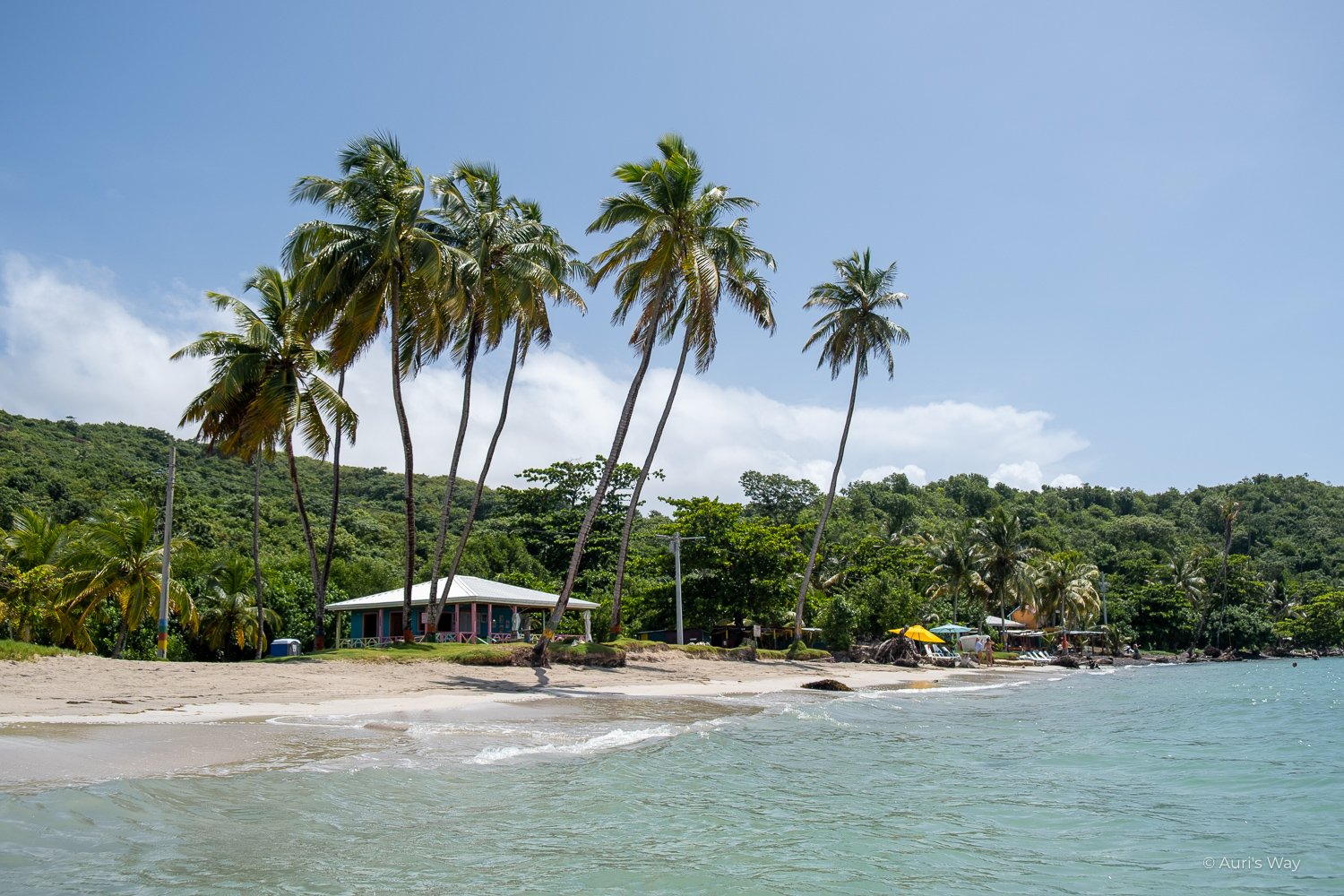
- Bahía Suroeste: Livelier and more popular, this one-kilometre-long beach is the perfect place to end the day with a cocktail in hand. It’s also where you’ll find the island’s best seafood and fish restaurants. A 100% Caribbean vibe guaranteed!
- Almond Bay: A small, tucked-away cove accessible only on foot via a path from the main road (look out for the giant octopus statue!). Far from the crowds, it has a calm, almost romantic atmosphere.
➕ Calm, warm water — perfect for swimming.
➕ You can grab an (almost) cold beer from a small kiosk and relax in the shade.
➕ An ideal spot to watch the sunset in peace.

We noticed that the beaches are very much at the mercy of nature. When we returned to Almond Bay the next day, we were surprised to find that half the beach had been swept away by a storm during the night.
Exploring the island: Santa Catalina and the Lovers’ Bridge
Providencia Island measures barely 17 km², so you can easily circle it by scooter in about 30 minutes.
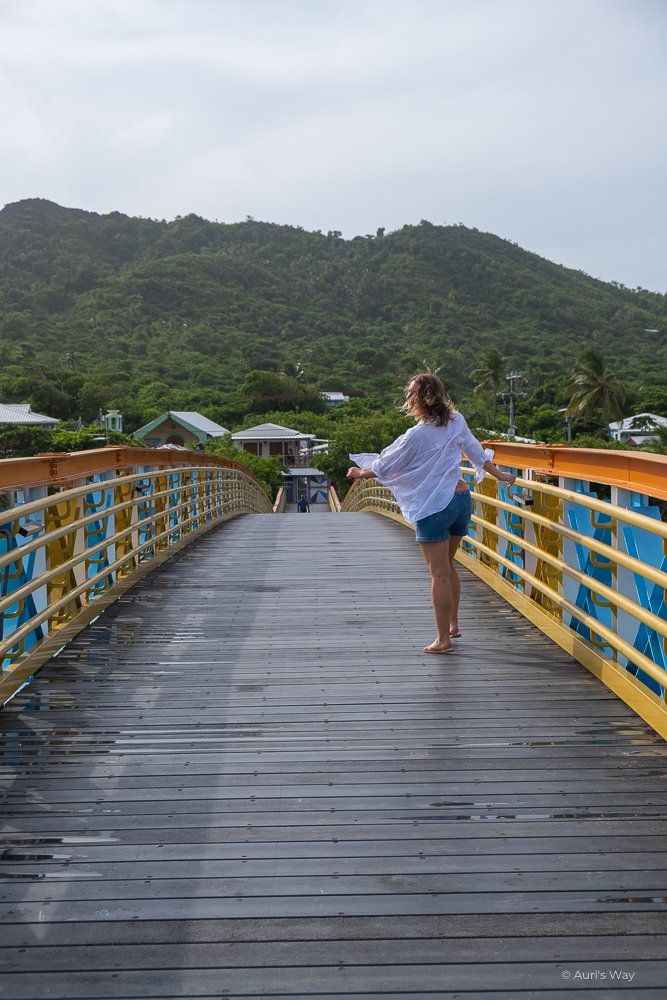
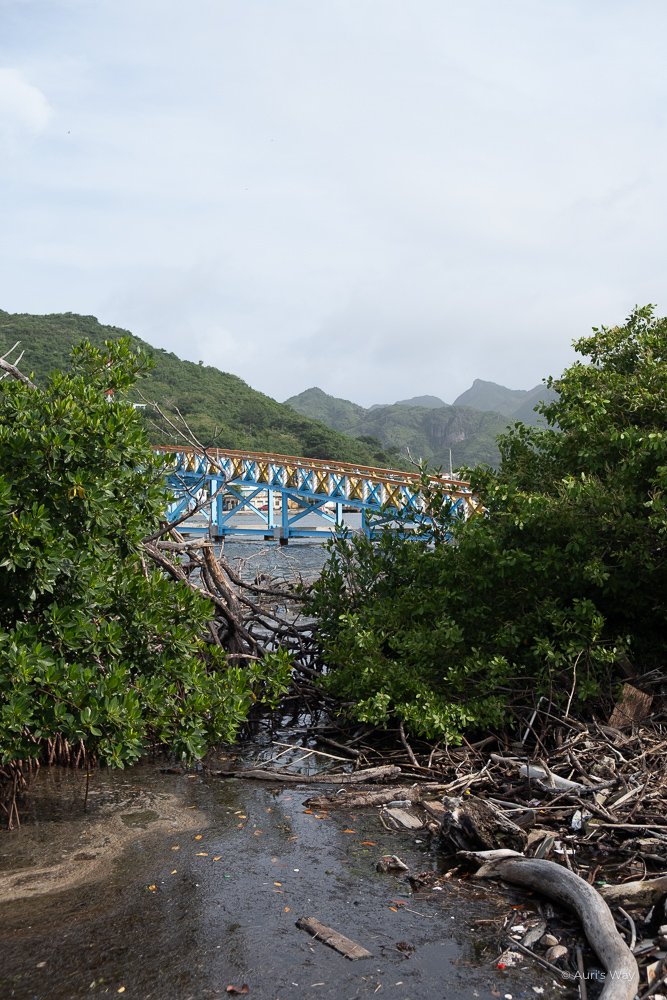
It’s the perfect opportunity to stop by Santa Isabel, the island’s main town, located at the northern tip. The town itself didn’t really capture our interest, but it’s worth a visit to access the Puente de los Enamorados (the Lovers’ Bridge), a lovely colourful wooden bridge that connects Providencia to its little sister island, Santa Catalina.
Unlike Providencia, Santa Catalina still bore heavy scars from Hurricane Iota when we visited in August 2024. Debris, damaged mangroves, ruined houses… Less touristy than its big sister, Santa Catalina seems to have been somewhat left behind in the reconstruction efforts.
According to my research, there used to be a trail leading to a beautiful viewpoint facing Providencia Island. After about 20 minutes of walking, it also took you to Morgan’s Head — a rock formation said to resemble the profile of the infamous pirate Morgan (though honestly, we couldn’t quite see the likeness). Unfortunately, either the trail no longer exists or we simply couldn’t find it. Under the blazing sun and without a clear path to follow, we eventually turned back. A good excuse to return one day — hopefully when the island has regained its old charm!
Enjoy a drink with your feet in the sand at sunset
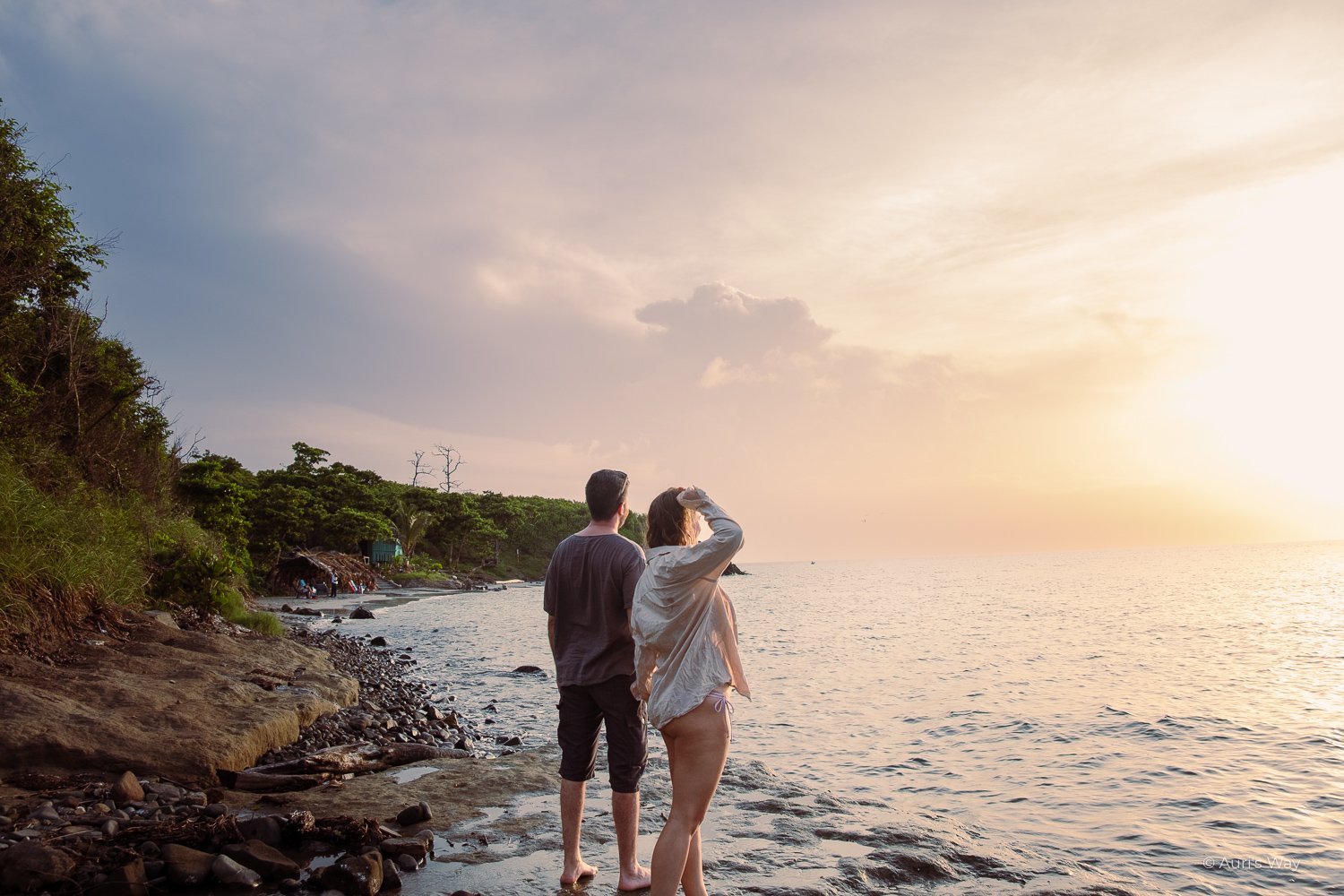
If there’s one thing that truly captures the spirit of a holiday, it’s this, right? A cocktail in hand, your feet in the still-warm sand, the sky slowly shifting from blue to orange to pink… On South West Beach, La Sirenita Bar is perfectly positioned to take in the show. Expect a laid-back vibe, reggaeton music playing in the background and perfectly mixed cocktails. And afterwards, you can head next door for dinner at El Divino Niño.
One small warning, though — this is also peak mosquito hour, so make sure to spray every inch of skin with repellent and ideally wear long clothes. The mosquitoes in Providencia are ruthless!
El Pico
Providencia Island isn’t just about beaches and coral reefs. For those who like a bit of elevation, the El Pico hike is a great excursion to see the island from a completely different perspective.
We personally chose to dive one more day instead of hiking to the top — a small regret I’ll definitely make up for next time I return to Providencia!
At 360 metres above sea level, El Pico is the highest point on the island. You can spot it from almost anywhere — on land or out at sea — and the view from the summit is said to be absolutely breathtaking.
The hike takes around four hours round trip and is best done early in the morning to avoid the heat. Make sure to bring sturdy shoes (leave the flip-flops behind!) and plenty of water.
NOTE | In recent years, it has become mandatory to be accompanied by a guide.

WHERE TO STAY ON PROVIDENCIA ISLAND?
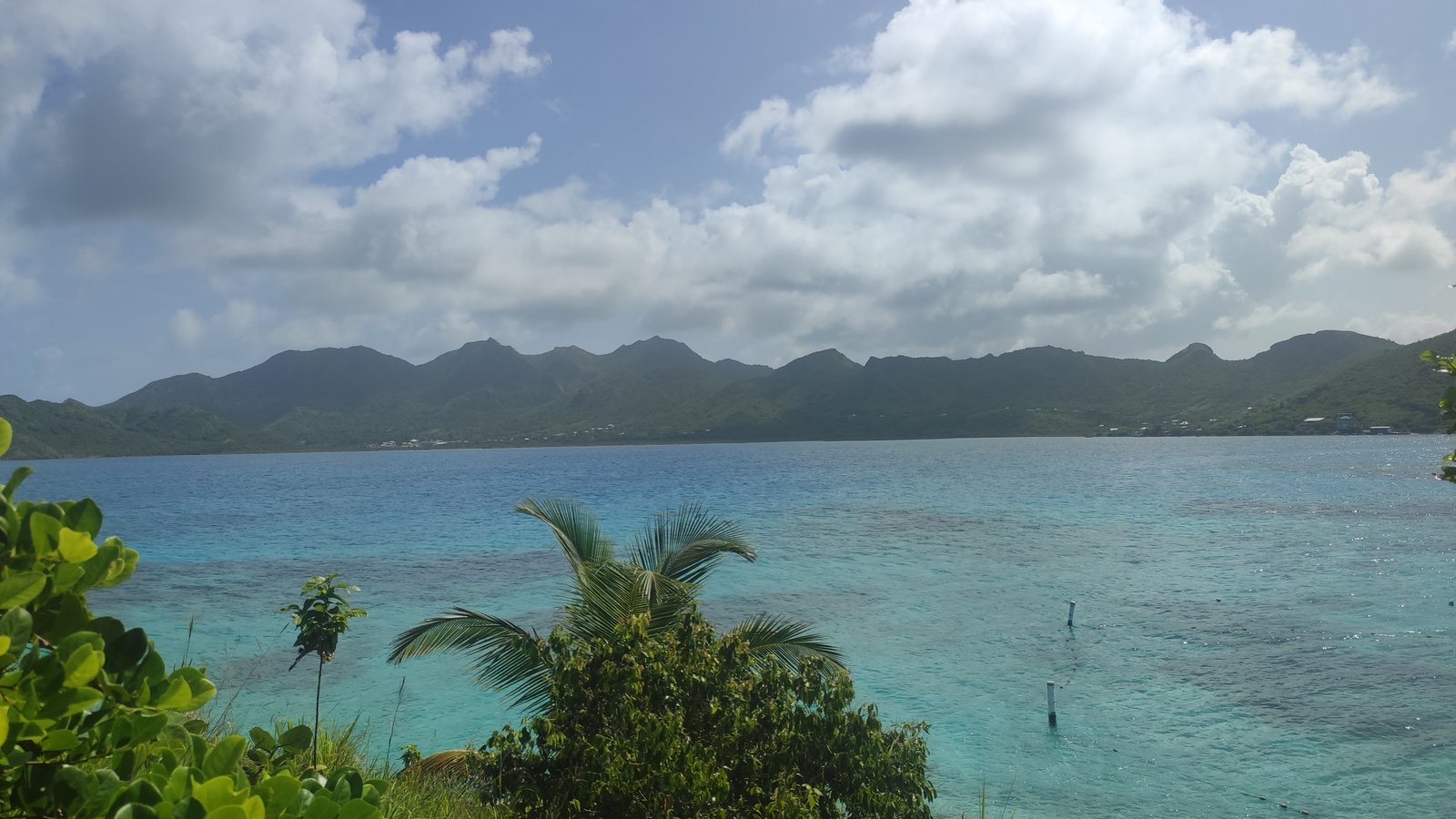
Far from the mass tourism and sprawling Caribbean resorts, Providencia is determined to preserve its authenticity. Unlike its neighbour San Andrés, where concrete and large-scale tourism have taken over, this island remains a small, unspoilt paradise.
This commitment to responsible, low-impact tourism means that visitor capacity is limited to around 400 people at a time. You won’t find luxury hotels or international chains here — accommodation mainly consists of posadas (guesthouses), cabañas or locally run Airbnb rentals. The lodgings are simple and functional, most of them managed directly by island residents.
Which part of the island should you choose?
Overall, I’d say the south of the island is the most appealing area — and it’s also where most tourist accommodation is located. Depending on how you plan to get around and what kind of vibe you’re after, here are the main options:
✔️ If you don’t have your own transport: Stay in Aguadulce (Freshwater Bay). This area has the highest concentration of restaurants, bars and services, giving you a lively atmosphere with everything within easy reach.
✔️ If you’re after peace and a beautiful beach: Manzanillo, at the very south of the island, is an excellent choice — it’s where we decided to stay. There are no big resorts or beachfront hotels here. In theory, the beach is about a 15-minute walk away, but with the heat and the uphill stretches… we quickly turned back to fetch our scooter!
✔️ If you want a more authentic local experience: Santa Isabel (Pueblo Viejo), in the north, gives you a glimpse of everyday island life. That said, it wasn’t really our favourite spot — there’s no beach, and the atmosphere felt less welcoming than in the south. It’s more of a residential area than a tourist one.
✔️ If you’re after a budget stay but don’t mind being a bit remote: The east coast (Rocky Cay) is further from the main attractions, which could be a plus if you’re seeking solitude — or a drawback if you want to explore easily. The coastline here is rocky, and there are no real beaches on this side of the island.
My favourite on Providencia Island ❤️
Hotel Yellow Home Providence Island: César and Doris welcomed us with open arms to their little corner of paradise. Nestled in a lush tropical garden, these charming bungalows have everything you need — including air conditioning in the main bedroom and hot water, a rare luxury in Providencia!
Beyond the idyllic setting, what really makes this place special is César and Doris’s hospitality. Always attentive, they’re full of great tips to help you make the most of the island. Need to book an excursion or plan an activity? They’ll happily take care of it for you. Their warmth and kindness made our stay even more memorable. I couldn’t recommend them more!
WHERE TO EAST AND HAVE A DRINK ON PROVIDENCIA ISLAND?
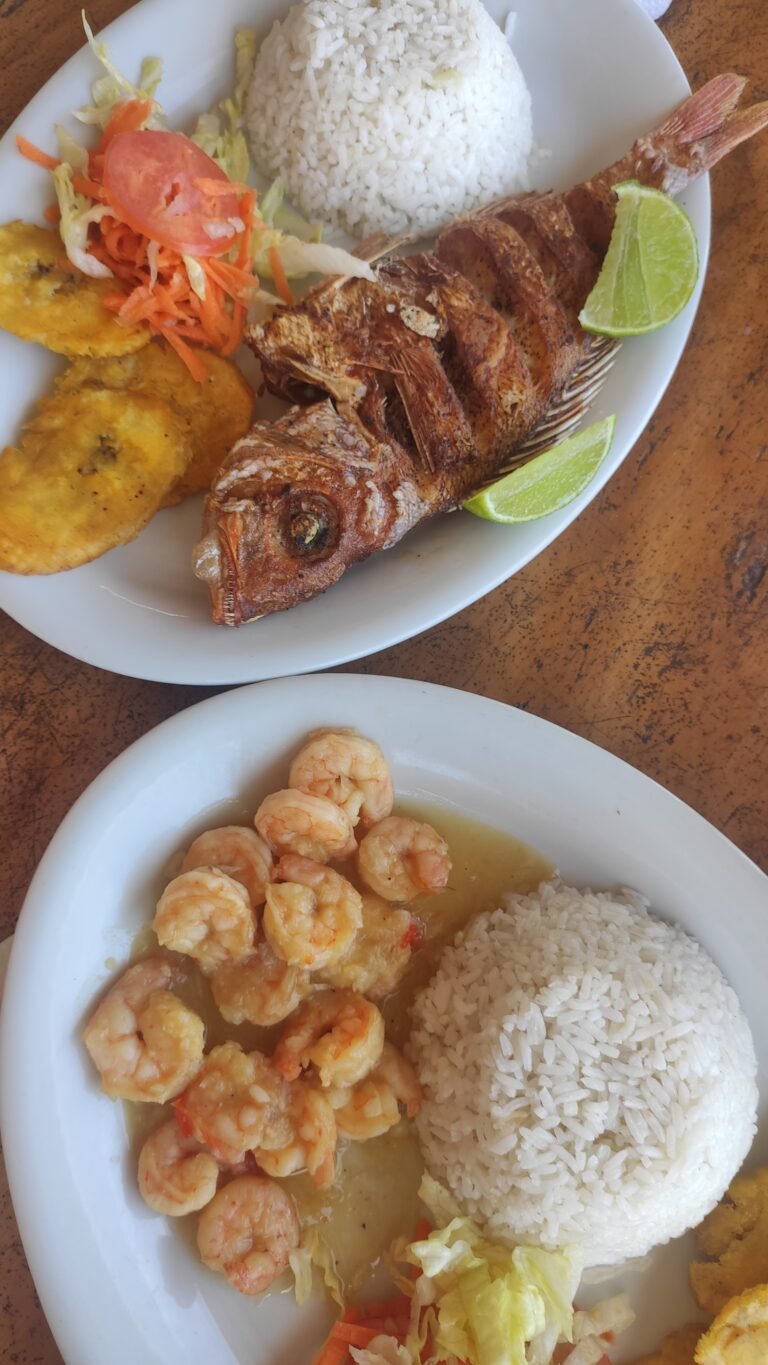
Naturally, on an island like Providencia, the sea takes centre stage on every plate. Here, flavours are fresh, the fish is grilled to perfection, and the seafood portions are wonderfully generous. If you’re wondering where to eat well on Providencia Island, here are my favourite spots:
- El Divino Niño: The culinary institution of Providencia! Located right on the sand at South West Bay, this restaurant is famous for its huge seafood platters. Generous portions, fair prices, and a perfect setting for a meal by the sea. An absolute must-visit!
- Miss Elma: Just next to Freshwater Bay, this was our go-to spot after diving sessions. The set menu includes a starter, a main dish and a fresh fruit juice — and everything is delicious. The only downside? Service can be very slow, but that’s the case almost everywhere in Providencia (and, to be fair, much of Colombia!).
- Miss Julia: The first restaurant we tried in Providencia — and what a find! Located right on Manzanillo Beach, we enjoyed an absolutely perfect grilled fish with a stunning ocean view. Plus, any order (even just a fresh fruit juice) gives you free access to the sun loungers in front of the restaurant.
- Don Olivo: Recommended to us by friends, though we didn’t get the chance to try it. The reviews are glowing, especially about the quality of the dishes — though again, patience is key. But hey, this is Colombia… taking your time is part of the journey!
- Donde Martin: A place we missed during our stay, but one that often comes up as one of the best restaurants in Providencia. Expect refined local flavours, a charming setting and warm service. The langoustines a la criolla and fresh fish are highly recommended. Slightly pricier than average and portions can be small, but the experience sounds well worth it. Reservations advised!
- La Sirenita: This no-frills beach bar on South West Bay is the perfect place to enjoy a drink at sunset. The atmosphere is lively, the cocktails strong and the prices reasonable.
- Roland’s Bar: A true Providencia institution on Manzanillo Beach. Expect reggae beats, tasty cocktails and the occasional live concert around a beach bonfire. Service may be slow, but the experience is definitely worth it!
This travel guide to Providencia Island, Colombia comes to an end! I hope it’s helped you get a clearer picture of what to expect. If you still have any questions, feel free to drop me a comment below!
- Auri's Way
- No Comments
- America, Colombia, Destinations
Liked it? Pin it!
This article contains affiliate links. If you make a purchase or booking through these links, I may earn a small commission — at no extra cost to you. It helps me keep this blog running. Thank you so much for your support!
PLAN YOUR TRIP TO COLOMBIA WITH THESE ARTICLES